When Should You Change Your Transmission Oil?
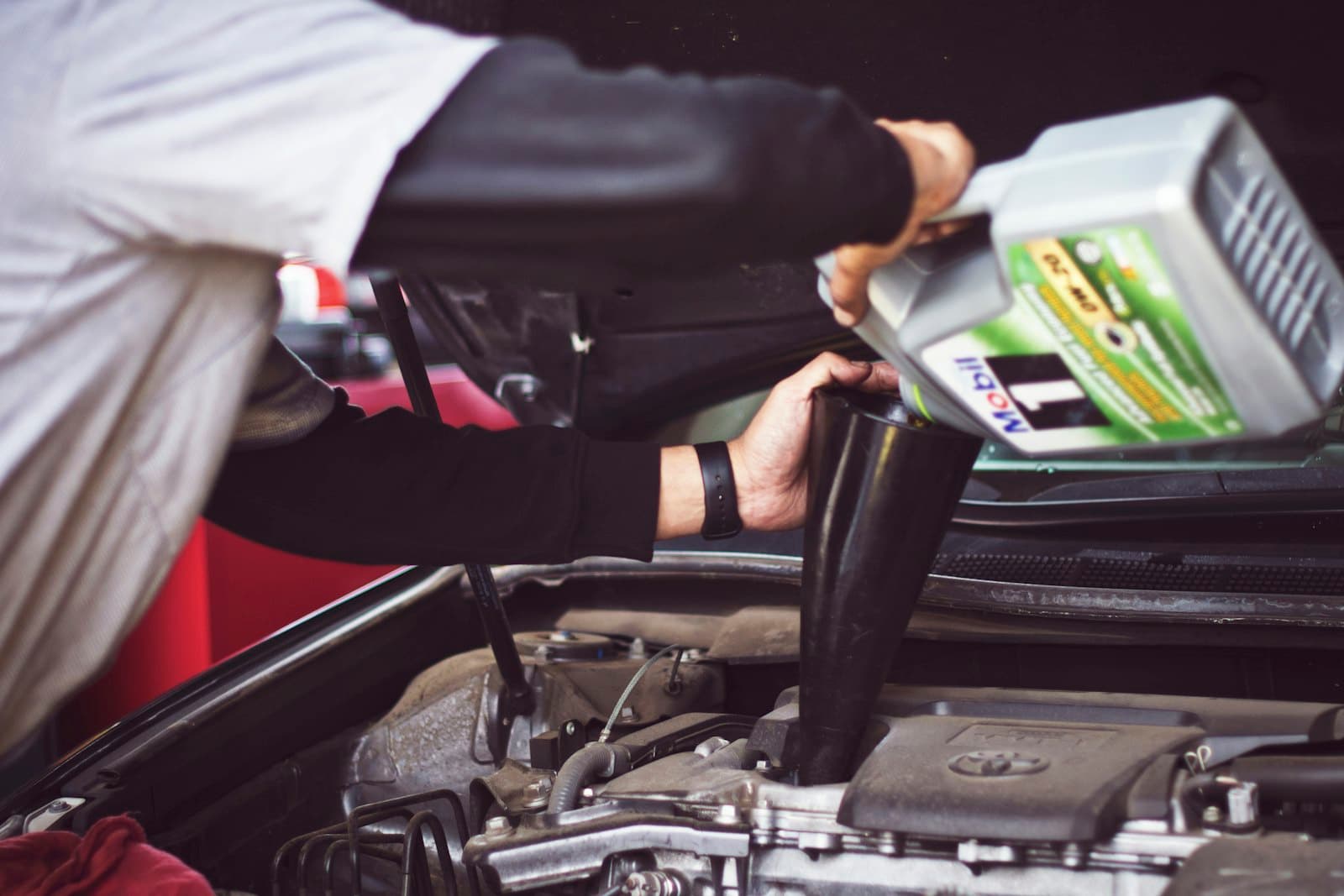
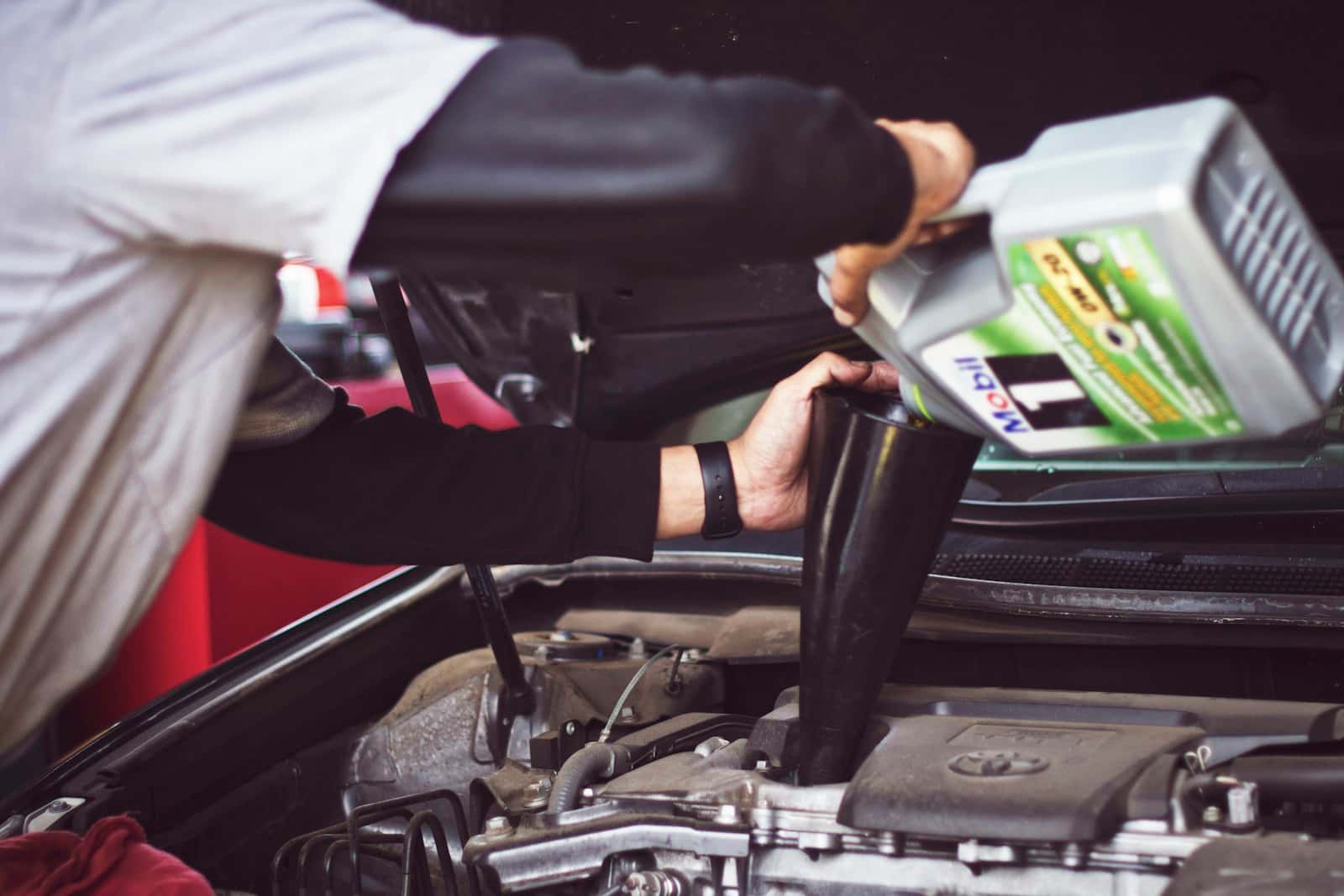
Many drivers ask: when should I change my transmission oil? And is it true that some gearboxes never need a fluid change? Transmission fluid lubricates, cools and, in automatic gearboxes, transmits hydraulic pressure. Over time, heat and wear reduce its ability to do all three.
This guide explains how to decide on the right timing based on the manufacturer’s schedule and your owner’s manual, while accounting for Riyadh driving conditions. We also cover the warning signs that mean your transmission should be checked sooner rather than later.
What transmission fluid does and why it degrades
In an automatic transmission, the fluid acts as a hydraulic medium that operates clutches and valves, as well as lubricating and cooling the gears. With heat and friction, its additives gradually break down and fine particles build up, reducing its protective and cooling performance.
Heat is transmission fluid’s biggest enemy. Riyadh summers, heavy traffic and constant stop-and-go driving all speed up fluid breakdown compared with gentle, moderate driving.
How to know when it’s time for a change
Your first reference is the maintenance schedule in the owner’s manual or from the manufacturer, because intervals vary widely between vehicles and transmission types. Many schedules also include a separate plan for “severe operating conditions.”
The truth about “lifetime fill”
Some transmissions are marketed as having “lifetime” fluid. This usually means the fluid is designed to last the expected life of the transmission under normal conditions, not that it will never benefit from a change under any conditions. Some manufacturers themselves list change intervals for severe use. It is worth discussing your specific car with a qualified technician rather than relying on the label alone.
Why Riyadh driving counts as severe service
Many cars in Riyadh meet most of the severe-service criteria manufacturers typically list:
- Sustained high outside temperatures.
- Heavy city traffic with frequent stop-and-go driving.
- Dusty conditions.
- Towing, heavy loads or long high-speed highway trips.
Different transmissions, different fluids
Conventional automatics, CVTs, dual-clutch (DCT) gearboxes and manual transmissions each use specific fluids. Using a fluid that doesn’t meet the specification can cause shifting problems or damage, so always stick to the type the manufacturer specifies.
Signs your transmission needs a check
If you notice any of the following, have the transmission and its fluid inspected:
- Delayed engagement when shifting into D or R.
- Jerks or clunks during gear changes.
- Engine revs rising without a matching increase in speed (slipping).
- Unusual whining or humming from the transmission area.
- Red or brown fluid leaking under the car.
- A transmission warning light or the Check Engine light.
What to know about changing transmission fluid
There is more than one way to change transmission fluid, such as a drain-and-fill or a more complete exchange, and the right method depends on the transmission type and the manufacturer’s guidance. Some units also need a filter change or a fluid level check at a specific temperature, and some cars require a transmission reset or relearn with a diagnostic tool afterwards.
If a transmission has covered a very high mileage without any fluid change, it is wise to inspect and assess it first before deciding, as these cases call for technical judgment. Computer diagnostics can help by reading transmission fault codes and temperature data.
Transmission service at Best Solution
At Best Solution in Al Qirawan, Riyadh, we offer engine and gearbox repair alongside periodic maintenance, and we can help you decide whether your transmission needs a fluid change, an adaptation or a deeper inspection. To understand the different maintenance approaches, read periodic vs preventive maintenance.
Unsure about your gearbox or when its fluid was last changed? Book an appointment or call or WhatsApp +966598869891, Saturday to Thursday, 8:00 AM to 9:00 PM.